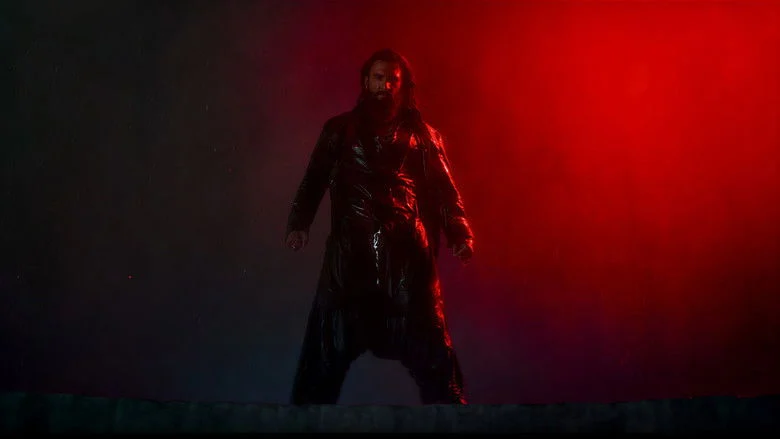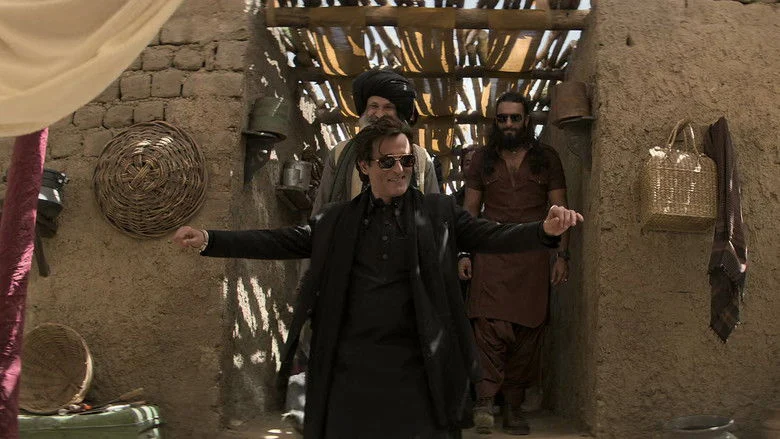
Suyodhana (2026): lead performance keeps the film tense but uneven overall


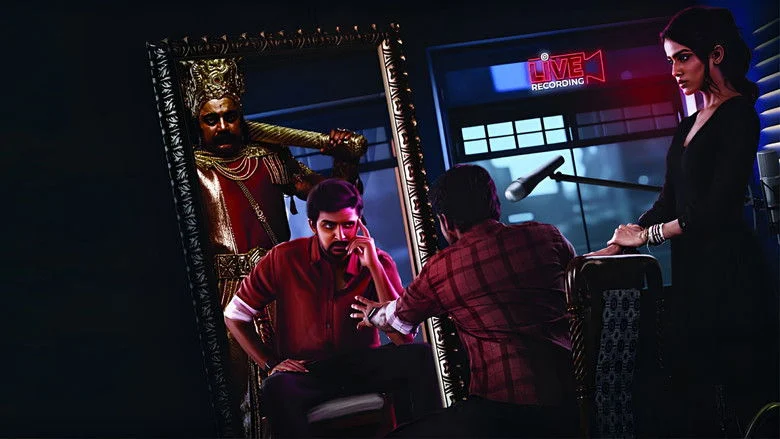
A young Foley artist, fluent in the language of manufactured sound, finds himself accused of killing the one person he trusted most, his father. That central wound, layered with a disembodied voice calling itself Suyodhana, is genuinely arresting on paper. But a promising premise and a film that honours it are two very different things, and Suyodhana, directed by YS Madav Reddy, spends most of its runtime reminding you of that gap.
Priyadarshi Holds the Screen Even When the Script Abandons Him
Priyadarshi is the kind of actor who earns your attention through restraint, not volume. As a Foley artist psychologically tethered to a voice he cannot silence, he brings a raw, low-key credibility. His confusion feels lived-in, his paranoia believable.
The problem is the screenplay gives him nowhere specific to go. Without clearly written emotional beats, he is left doing the heavy lifting alone. He manages it, mostly, but you keep wishing the writing were half as committed as he is.
Madav Reddy’s Direction Has Instincts But Lacks Discipline
YS Madav Reddy shows a reasonable sense of atmosphere. The choice to centre the story on a Foley artist, someone whose job is literally fabricating sound, is clever for a mystery about voices and deception. That thematic geometry works conceptually.
However, the screenplay fails to convert that concept into tight, propulsive storytelling. The narrative drifts where it should accelerate, and the mystery’s architecture feels assembled rather than engineered. A line like “why is it sometimes better that certain truths never surface” lands with weight, but the film around it doesn’t earn it.
The Mystery Never Fully Coheres Into a Thriller Worth Its Tension
The genre demands that every piece of withheld information feel genuinely dangerous. Suyodhana understands this in fragments. The voice, named after the Mahabharata’s most contested figure, carries mythic undertone. The question of who Suyodhana is, and who qualifies as a Duryodhana in the protagonist’s life, is structurally interesting.
But the thriller machinery creaks. Reveals land without adequate setup, and the mystery’s resolution doesn’t feel earned. I found myself mentally cataloguing the plot’s gaps rather than being gripped by its turns.
Composer Jay Krish’s score deserves mention here. In a film about sound, the music needed to do double duty, and it largely does, supporting the unease without overwhelming the mystery’s quieter moments. It is one of the more consistent technical contributions in the film.
If you enjoy Telugu Mystery reviews that dig into craft and narrative construction, there is a wider conversation worth having about where the genre is heading in contemporary Telugu cinema.
Drishika Chandar and Bosu Babu Are Underserved by the Script
Drishika Chandar appears alongside Priyadarshi in what should be a grounding presence. She handles her scenes with composure, but the film gives her little to anchor beyond reaction. Bosu Babu, a reliable character actor, similarly feels like a placeholder in a draft that needed another pass.
Neither performance is weak in isolation. But when supporting characters exist primarily to move plot rather than deepen theme, even capable actors become furniture. The dialogue at least gives them occasional texture, “who is this Suyodhana, we need to find out who is the Duryodhana” functions better as spoken exchange than as written line.
Suyodhana Has No Real Controversies, Its Biggest Problem Is Ordinariness
There are no censorship flashpoints, no political entanglements, nothing particularly provocative in the film’s DNA. Its Mahabharata framing could have opened ideological doors, the rehabilitation of Duryodhana into Suyodhana is a loaded act in Telugu cultural memory. The film gestures at this but never commits.
The average critic rating of 2.5/5 is not a harsh verdict, it is an honest one. It reflects a film that is neither badly made enough to be interesting nor sharp enough to recommend. Ordinariness is its own kind of failure when the premise was this rich.
Suyodhana is the kind of film that makes you wonder what a tighter, more ruthlessly edited version might have been. If the mystery around the Suyodhana voice had been constructed with the same care a Foley artist applies to his craft, this could have been something. It isn’t, not quite. For genre fans willing to meet it halfway on a streaming platform, there are worse ways to spend an evening, but walk in without elevated expectations.
If you enjoyed G.V. Prakash’s recent genre turn, the Happy Raj review is worth a read for comparison.
Suyodhana (2026) earns a reluctant 2.5/5, Priyadarshi gives the film more than it deserves, but no single performance can paper over a mystery that refuses to trust its own architecture.
If large-scale Telugu action with similarly uneven writing is your zone, the Ustaad Bhagat verdict covers that territory with equal candour.
Ankit Jaiswal is the Chief Author, covering Indian cinema and OTT releases with honest, no-filler criticism. An SEO strategist by background, he brings a research-driven approach to film writing, cutting through hype to tell you exactly what's worth your time.