Vaazha II (2026): Savin S.A.’s Friendship Comedy Earns Its Keep


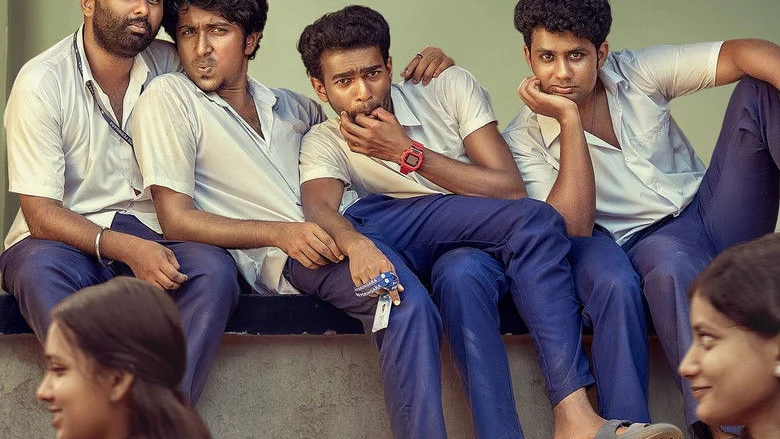
Four boys, branded troublemakers by everyone who should have known better, navigate a world that has already written their verdict before they’ve had a chance to speak. Director Savin S.A. returns to this universe with enough conviction that you sense, early on, whether this sequel has earned its existence, and the answer is cautiously, imperfectly, yes.
Hashir and the Gang Carry Weight the Script Occasionally Drops
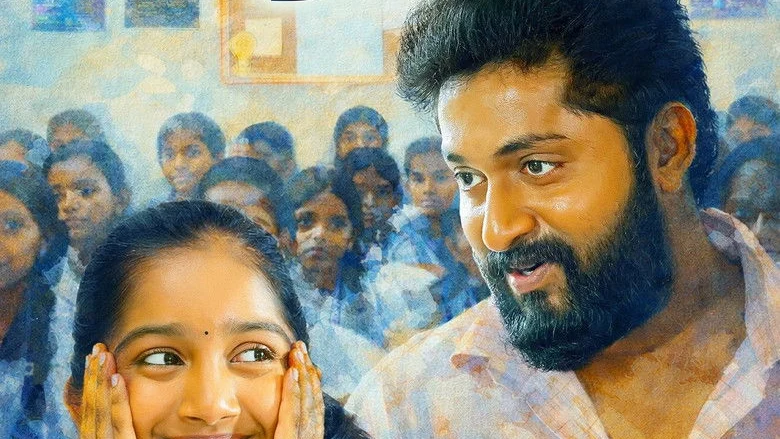
Hashir, Alan Bin Siraj, Ajin Joy, and Vinayak form the quartet at the centre, and their chemistry reads as genuinely lived-in rather than performed. The film’s best moments arrive when they are simply reacting to each other, the rhythm of their banter doing more work than any plot mechanism.
What keeps them watchable is specificity. These aren’t generic funny boys. Each carries a distinct register, and the ensemble never collapses into one undifferentiated comic blob. That discipline in performance is where the film holds its ground most firmly.
Savin S.A. Finds Warmth But Loses Sharpness in the Second Half
Savin’s direction is most assured in the quieter, character-driven passages, the spaces between the gags where the film remembers it has something to say about labels and loyalty. The PG-rated world he builds feels lived-in and recognisable to anyone who grew up in a Malayalam middle-class household.
Vipin Das’s script, however, develops an uneven gait past the midpoint. The central conflict, four friends fighting social designation as losers and troublemakers from family and school, is compelling on paper. But the screenplay resolves tensions a beat too conveniently, diluting stakes that had been carefully constructed.
I found myself genuinely invested in these friendships and then mildly frustrated by a third act that opts for comfort over complication. The film chooses warmth, which is a legitimate choice, but it comes at the cost of the harder edges the premise promises.
The Comedy Lands More Often Than It Stumbles
As a comedy-drama, the film’s primary obligation is to make you laugh while making you feel something. Vaazha II largely delivers on the first count. The humour is situational and grounded, drawn from the specific embarrassments of adolescent friendship rather than broad physical slapstick.
The dramatic register is where the balance occasionally tips awkwardly. When the film leans into the pressure these boys face from parents and school, the emotional notes feel real. The line, roughly translated as “It’s always fights and arguments with these boys”, captures exactly the exhausted dismissal that shapes how society reads them.
What’s missing is a single scene of genuine dramatic rupture. The comedy cushions every blow. That’s either the film’s warmth or its limitation, depending on your appetite for conflict.
If you enjoy Malayalam comedy-drama reviews that engage seriously with the genre, Malayalam Drama reviews on this site cover the wider landscape worth exploring.
Sudheesh and Vijay Babu Ground the Adult World Credibly
Among the supporting cast, Sudheesh brings the kind of textured adult presence that prevents the parental figures from becoming cartoons. His scenes with the boys carry genuine authority without tipping into caricature, a balance that matters enormously in a film where adults are partly antagonists.
Vijay Babu and Alphonse Puthren round out a supporting lineup that signals serious intent behind this production. Their appearances, however brief, lend the film a certain credibility that helps anchor the younger cast’s more freewheeling energy.
Audience Reception Suggests a Sequel That Found Its Footing
The original Vaazha (2024) established enough goodwill for this sequel to arrive with genuine audience anticipation. That inheritance is both an asset and a burden, the film must justify the return without simply repeating what worked.
The production, backed by Imagin Cinemas, WBTS Productions, and Signature Studios, appears to have given Savin S.A. the resources to expand the world without losing its intimate texture. Whether audiences feel the expansion is earned is the real test a sequel always faces, and the initial reception suggests more warmth than resistance.
If the Vaazha universe appeals to you, the unexpected theatrical journey of a long-delayed Rajinikanth film makes for a fascinating companion read, check out this piece on Hum Mein review for some context on how older properties find new audiences.
Vaazha II: Biopic of a Billion Bros is best experienced with low expectations of formal ambition and genuine openness to simple, well-performed friendship storytelling. If the original worked for you, this sequel rewards the return. If you are new to this world, it is a perfectly decent entry point, warm, occasionally funny, and sporadically moving.
Vaazha II is a film that earns its modest pleasures honestly, imperfect in craft but sincere in spirit, and deserves a 3 out of 5, best watched on a relaxed weekend afternoon when the bar for comfort is higher than the bar for consequence.
Fans of patient, character-led storytelling may also find value in MUGA NAGA verdict, which explores a very different but equally deliberate mode of South Indian filmmaking.
Ankit Jaiswal is the Chief Author, covering Indian cinema and OTT releases with honest, no-filler criticism. An SEO strategist by background, he brings a research-driven approach to film writing, cutting through hype to tell you exactly what's worth your time.