
A factory manager lies dead, and the investigation doesn’t ask who pulled the trigger, it demands why so many people wanted him gone. Sago Ganesan’s hyperlinked crime structure pivots away from simple whodunit mechanics toward a sprawling web of buried resentment and workplace trauma that implicates nearly everyone inside the factory walls.
This is a mystery built on motive, not sleight of hand, and it asks whether you’re interested in the architecture of resentment over the flash of a revelation.
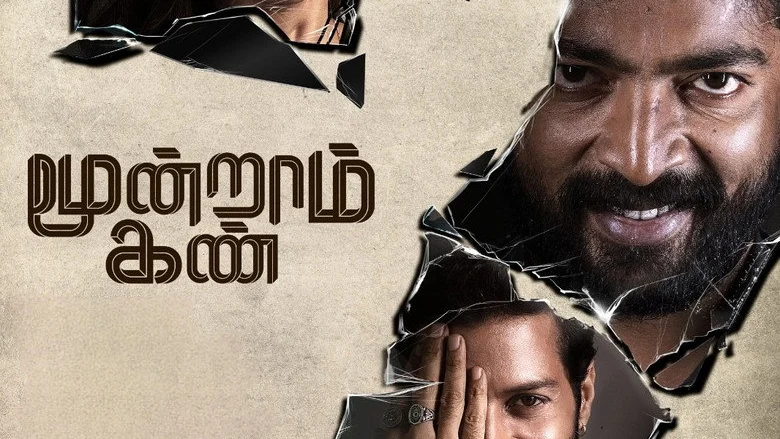
Vidharth Carries the Investigation Without Visible Strain
Vidharth anchors the ensemble without dominating it, which is precisely what a hyperlink crime structure demands. His presence signals gravitas within the investigation, a performer comfortable holding space for other actors to reveal their character wounds without needing to monopolize screen time.
The casting choice of a seasoned Tamil actor in this ensemble suggests the film trusts its audience to follow multiple threads rather than collapse them onto a single protagonist.
Ganesan’s Structural Ambition Outpaces Tonal Control
The director’s decision to shift focus from culprit identification to motive excavation is intellectually sound, it signals a willingness to deepen the crime structure beyond formula. Yet steering four actors and their grievances, trauma, and hidden connections across 115 minutes without a published screenplay excerpt means execution remains opaque.
The hyperlink frame is a risk that could either crystallize interconnected character arcs or scatter them into incoherence.
Crime-Driven Mystery Mechanics Rest on Suspect Layering
The factory manager’s murder establishes the engine immediately: four figures emerge as vectors of suspicion, a mechanic, an assistant manager, the owner, a new employee. This isn’t accident; it’s architectural. The suspect pool forces the audience to hold multiple culprits in mind simultaneously, a deliberate misdirection device that demands viewer investment in each character’s plausible motive.
The narrative then pivots toward why these people wanted him dead rather than simply who pulled the trigger. This shift from identity to causation is where the film’s thematic weight concentrates. It’s no longer a police procedural; it becomes a study of accumulated workplace resentment, personal trauma, and concealed grievances that converge on a single victim.
The hyperlink structure, multiple intersecting character threads rather than a linear investigation, signals that motive exists not in isolation but across a network of interconnected pain points. Each suspect carries a reason; the mystery becomes untangling which reason was actionable enough to become a murder.
I find this approach more psychologically engaged than traditional whodunit mechanics, though whether Ganesan executes it with narrative precision or lets it fragment into scattered character moments remains unverified territory.
Kalaiyarasan and Santhosh Prathap Ground the Ensemble
Kalaiyarasan’s inclusion alongside Vidharth suggests the film positions itself as an actor-driven mystery rather than a plot-propelled thriller. His presence typically signals a character of interiority and unspoken conflict, exactly what a motive-led investigation requires.
Santhosh Prathap similarly brings recognizable weight to the ensemble. Both actors are known for inhabiting morally complicated figures, which signals that the film’s suspects are drawn in shades rather than binary innocence-guilt frames. Trikun rounds out the cast in a supporting capacity, though without role specificity, the exact function remains unclear.
A Tamil Crime Film Without Verified Critical Consensus
No publication reviews have surfaced in available materials, which means this is either a film that escaped critical machinery or one reviewers have yet to access. Positioning it as a hyperlink crime thriller aimed at mystery audiences who prefer investigation-led narratives over romantic or family entertainment narrows but doesn’t diminish its potential reach.
Viewers expecting procedural clarity should approach cautiously; those who engage with ensemble dramas built on layered motive and interconnected character arcs may find the structure more rewarding than straightforward crime-solving mechanics.
If you’re drawn to Tamil mysteries that prioritize why over who, and you trust an ensemble of three recognizable actors to carry a 115-minute chamber piece about buried resentment, this positions itself as worth the runtime. Best watched on a regular screen where the interconnected threads of dialogue and motive can breathe without compression.
Moondram Kan is a motive-driven Tamil crime mystery that bets everything on ensemble layering and structural ambition, a gamble that likely works or doesn’t depending entirely on execution.
For more analysis of Tamil thrillers built on character architecture rather than plot mechanics, explore our collection of Tamil Thriller reviews.
Charukesi similarly anchors its mystery through fragmented memory and concealed character truths, though that film approaches revelation through song rather than interrogation: read our essay on Charukesi review.
Double Occupancy shares this film’s commitment to unproven formal choices and bold casting decisions in the Tamil space: see how Double Occupancy verdict.





1 thought on “Moondraam Kan (2026): Vidharth Leads a Motive-Driven Factory Murder Probe”
Comments are closed.