
Two thieves break into the Aryanattu estate and fumble with a vintage doll, unleashing a centuries-old Yakshini from its ceramic prison in a moment of accidental dread. The visual impact of that release is the film’s sharpest hook, promising a horror ride that its second half struggles to sustain.
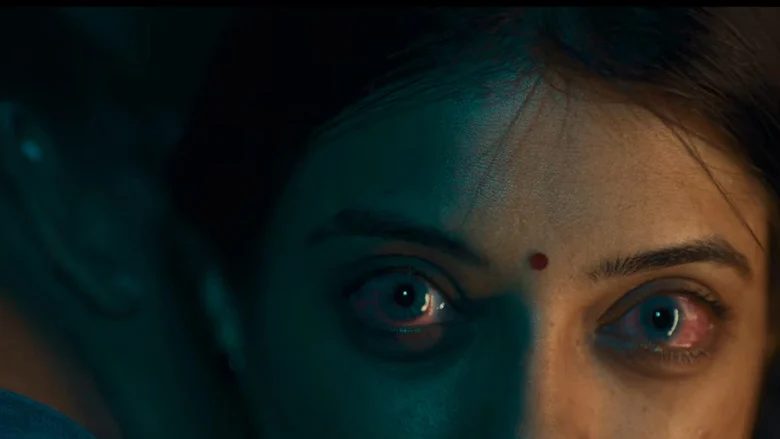
Vaisakh Ravi’s Quiet Intensity Can’t Lift the Weight
Debutant Vaisakh Ravi plays Niranjan as a man carrying too much silence, and his return to the ancestral home after a family murder lands with genuine emotional weight. Yet his performance, built on brooding looks and measured dialogue delivery, feels one-note when the script demands a more reactive, panicked energy during the supernatural attacks. I wanted him to show me fear, not just tell me he was afraid.
Abhilash Warrier’s Direction: Atmosphere Over Story
Director Abhilash Warrier controls the Aryanattu estate’s damp corridors and shadowed staircases with the eye of someone who has studied the genre’s visual grammar. The horror setup is methodical, but the screenplay’s linear march from curse to confrontation leaves little room for character development or narrative surprise. The climactic clash between Niranjan and the Yakshini resolves too quickly, undercutting the tension built in the first hour.
The Horror Works in Moments, Not in Sustained Dread
The vintage doll sequence is the film’s finest craft achievement, Warrier lets the camera linger on its porcelain face just long enough for the audience to imagine what might move, and when it does, the payoff is genuinely unsettling. The atmospheric cinematography, with its deep shadows and muted earth tones, gives the estate a lived-in creepiness that many Malayalam horror films miss.
Gopi Sundar’s background score is an able partner, but it too often signals the scare before it arrives, robbing the jump scares of their best weapon: surprise. The visual effects for the Yakshini’s manifestations are ambitious but uneven, some shots achieve the necessary otherworldly menace, while others break the illusion with their digital sheen.
The film works best as a mood piece, not a narrative engine. The terror is real when it strikes, but the spaces between scares feel padded rather than purposeful.
Neha Chawla’s Yakshini is More Presence Than Performance
Bollywood import Neha Chawla brings an imposing physicality to the vengeful Yakshini, her eyes carrying the centuries of rage the character demands. But the script gives her little to do beyond menacing stares and CGI-aided attacks, reducing a potentially fascinating antagonist to a generic horror force. Joy Mathew and Sakshi Badala provide the ensemble with brief moments of grounded relief, though their characters remain sketched in outline.
Audience Fit: Who Shows Up Matters
Without major controversies or political angles to dissect, the film’s reception hinges entirely on how well it serves its core audience. Horror fans who value atmosphere over plot and appreciate a slow-burn supernatural thriller will find enough to admire in Warrier’s visual control and the effective doll sequence. Viewers seeking tight storytelling or character arcs will leave the theatre feeling like they watched a promising first draft.
Browse more Malayalam horror reviews on our site for a deeper dive into the genre’s recent evolution.
A Straightforward Recommendation
Go if you value horror atmosphere and a strong first act; skip if you need your scares backed by a screenplay that earns them. Catch it on a big screen with good sound to let Gopi Sundar’s score and the estate’s creaking architecture do their work, but don’t expect the final act to reward your patience the way the first hour promises it will.
Aroopi is a watchable but uneven debut that settles for being a decent horror mood piece when it aimed for something more ambitious. 2.5 out of 5.
For a similar supernatural thriller with stronger narrative craft, try Alpha review.
If you prefer spiritual fantasy that risks its own secrets, see Nagabandham Secret verdict.






1 thought on “Aroopi (2026): A promising Malayalam horror debut held back by its own ambition”
Comments are closed.