In the sweltering heat of a Lahore about to be torn apart, Sikander Mirza stands at the crossroads of vengeance and compassion, and the weight of that single choice hangs over every frame of Rajkumar Santoshi’s ambitious historical drama. This is not the loud, chest-thumping Sunny Deol you remember from the 90s; this is a quieter, more introspective register, and it makes for a compelling watch despite its occasional stumbles.
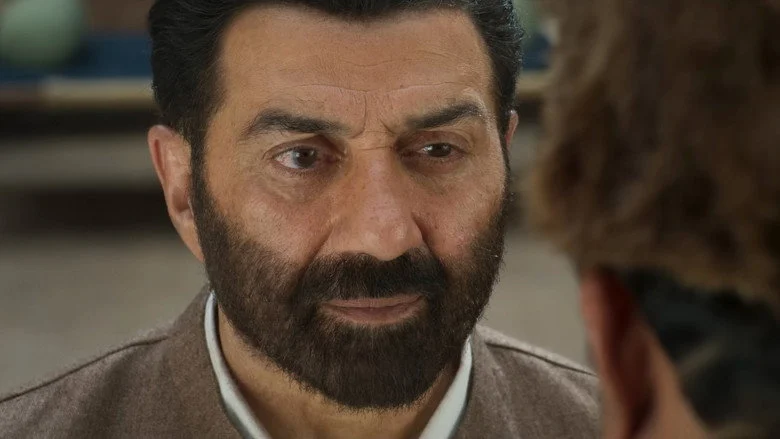
Sunny Deol’s Restraint is the Film’s Moral Compass
Deol’s performance as Sikander Mirza is anchored in a final, defiant act of humanity, a moment where he rejects the easy path of violence that the Partition era practically demands of him. It’s a scene that lands with the force of a physical blow, precisely because Deol underplays it.
He trades his signature aggression for a simmering, wounded stoicism. The actor understands that the tragedy of 1947 isn’t in the shouting, but in the silent acceptance of loss.
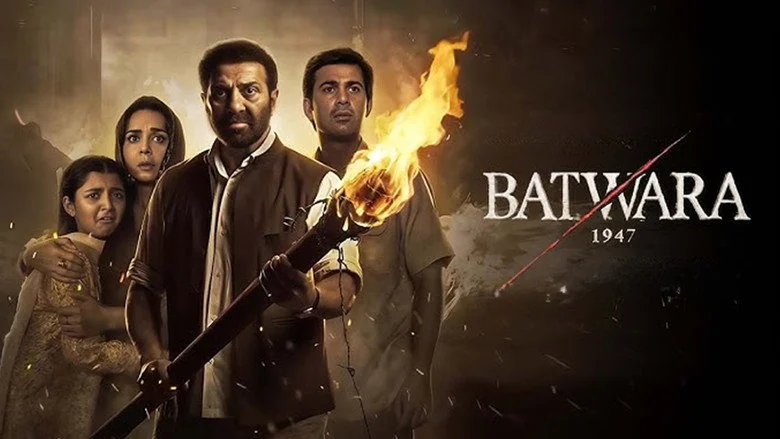
Santoshi’s Screenplay Finds its Heart in a Family’s Fracture
Santoshi’s direction is at its strongest when it keeps the conflict inside the Mirza household, where the political becomes painfully personal. The household confrontation sequence, where the widening Hindu-Muslim divide seeps through the walls of the family home, is the film’s most assured piece of filmmaking.
However, the screenplay’s linear structure struggles to find a distinct rhythm in its middle act. The tension between survival and loyalty is established, but the narrative often feels like it’s treading water before the climactic push.
The Genre Core: A Historical Drama That Refuses to Blink
The film’s primary genre execution is rooted in its unflinching commitment to the period setting. Lahore, 1947, is not just a backdrop; it is a character, a city holding its breath before the storm. The displacement and refugee sequences are rendered with a grim authenticity that the A-certificate allows, never softening the brutality of the communal fracture. This is a drama built on moral conflict, not action spectacle, and Santoshi wisely keeps the violence as a consequence of emotion, not a substitute for it.
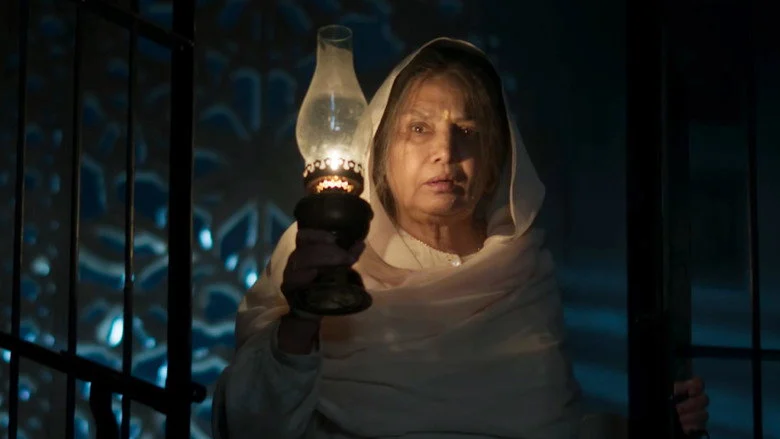
The ensemble structure serves the genre well, allowing the narrative to breathe through multiple perspectives. Shabana Azmi’s Mai and Karan Deol’s Javed represent the generational divide, their conflicts mirroring the larger national schism. The film’s craft is in its patience, allowing the weight of history to press down on the characters rather than rushing toward set-pieces.
Yet, the historical drama genre demands a certain narrative economy that Santoshi doesn’t always deliver. The middle stretch, focused on the family’s survival choices, feels repetitive, and the film’s 145-minute runtime could have been tightened. The final moral choice, however, redeems the slow burn, landing with a quiet power that stays with you long after the credits roll.
If this deep dive into the nuances of Partition-era storytelling has piqued your interest, explore more Hindi Action reviews on our site.
Azmi and Fazal Anchor the Ensemble’s Emotional Weight
Shabana Azmi, as Mai/Durgavati Devi, is the spiritual core of the film, her presence lending gravitas to every scene she inhabits. She conveys the tragedy of a woman watching her world dissolve without ever raising her voice, a masterclass in reactive acting that grounds the film’s larger themes.
Ali Fazal, playing Habeeb, brings a nervous energy to the communal tension, his character caught between loyalties. Preity Zinta’s Hamida is the film’s quiet sufferer, her displacement thread tying the personal to the political. Karan Deol, as the son Javed, holds his own against the veterans, representing the impulsive, angry generation caught in the crossfire.
The Political Firestorm and the Audience it Faces
It is impossible to discuss a Partition drama without acknowledging its inherently sensitive political context, and the film’s A-certificate suggests the CBFC allowed Santoshi to tread without cuts. The subject matter alone ensures the film will be a talking point, regardless of its box office performance.
For the audience, this is squarely aimed at fans of Sunny Deol and viewers who appreciate period dramas that examine moral dilemmas. This is not a film for those seeking light entertainment or a contemporary setting; it demands patience and a willingness to sit with discomfort.
There are no verified critic scores or box office figures available yet, which makes a definitive verdict difficult. But based on the craft and the performances, this feels like a film that will find its audience on OTT, where its measured pace and moral complexity can be appreciated in a more intimate setting.
Sunny Deol delivers a career-best performance in a film that prioritizes conscience over carnage, making Batwara 1947 a necessary, if flawed, cinematic document. It’s a watch for those who value substance over spectacle, and I’d rate it a solid 3.5 out of 5 for its ambition and emotional integrity.
For a different take on family dynamics and emotional stakes, check out Vishwanath Sons review.
If you’re in the mood for a narrative that trusts its audience to fill in the blanks, Picture verdict offers a similarly bold gamble.