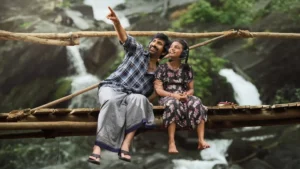
The moment arrives without warning: Murali’s face collapses as the realization hits him, his feelings, so carefully nurtured, will never be returned. Aakash Baskaran holds the shot just long enough for the silence to become unbearable, and Atharvaa Murali makes every second count.
This is a film that understands heartbreak isn’t loud; it’s the quiet, sinking feeling of a world ending.
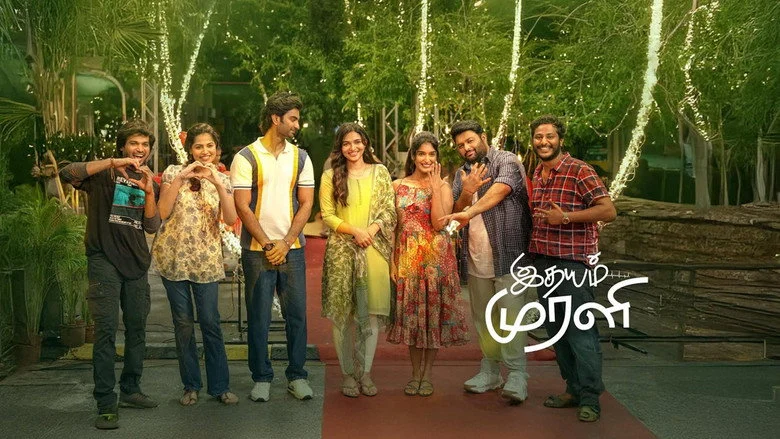
Atharvaa Murali Navigates the Quiet Storm
As Murali, Atharvaa shoulders the film’s entire emotional weight. His early scenes, where friendship and longing blur, feel lived-in rather than performed, a young man fumbling for the right words that never come.
But his finest moment is the late-film epiphany scene, where he stares at an empty space and internalises the film’s core truth: some feelings never truly fade. It is a restrained, deeply interior performance that refuses to grandstand.
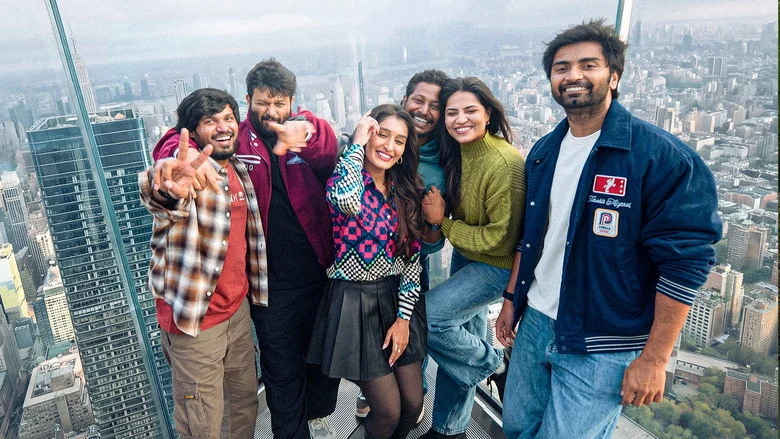
Baskaran’s Direction: Honest Structure, Wobbly Tempo
Debutant Aakash Baskaran writes and directs with a clear-eyed understanding of his coming-of-age material. The linear screenplay mines the protagonist’s emotional journey with admirable specificity, each act built around the incremental pain of unrequited love.
Yet the middle section drags considerably, stretching the protagonist’s turmoil into repetitive beats that dull the narrative’s edge. A tighter edit in the second half might have preserved the emotional arc without the sagging momentum.
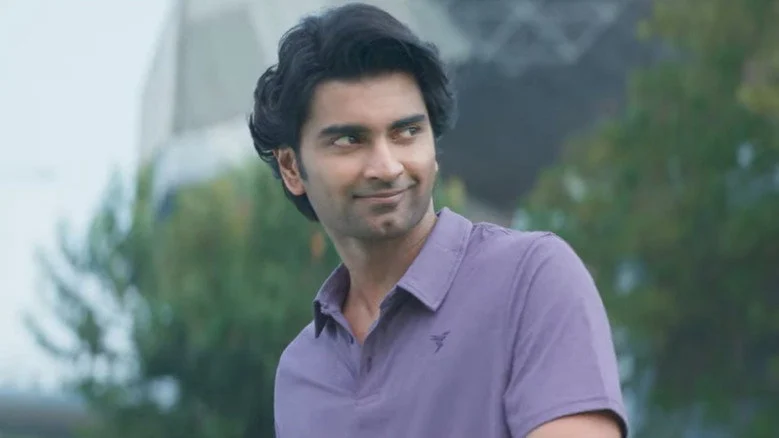
The Genre Core: Romance Through Restraint
As a romantic drama, *Idhayam Murali* trusts its silences more than its dialogue. The scene where Murali first recognises his feelings are one-sided is executed with a quiet devastation that avoids melodramatic cues, no swelling score, just a raw, intimate frame.
The coming-of-age structure works better in theory than in practice. While the film effectively captures the bittersweet reality of growing apart from the person you love, its linear path offers few surprises. The emotional beats are earned, but predictable.
Where Baskaran succeeds is in the film’s unwavering emotional focus. The final act, where the protagonist accepts that some emotions remain deeply embedded despite life moving forward, lands with genuine pathos. It is an ending that feels honest rather than tidy.
If you appreciate films that linger on the ache of unspoken words, browse our other Tamil romance reviews for similar cinematic textures.
Fahadh Faasil and the Anchor of Support
Fahadh Faasil, in a key supporting role, brings his trademark gravitational presence to every scene he occupies. Even with limited material, he grounds the narrative with a single look that conveys more than pages of backstory.
Niharika NM and Anju Kurian contribute effectively to the emotional landscape, though their characters remain functionally underdeveloped. Their casting signals the film’s desire for authentic emotional chemistry over conventional plot mechanics.
The Quiet Resonance of Unanswered Love
Without any notable controversy, conversation around *Idhayam Murali* will likely centre on its polarising pacing. Audience reception already points to a divided camp, those who find the slow burn emotionally resonant, and those who wish the second half found a clearer gear.
The authenticity of the unrequited love theme is praised, but the lack of a decisive resolution frustrates viewers seeking closure. It is a film that chooses truth over satisfaction, which is both its greatest strength and its most divisive flaw.
For those willing to sit with discomfort, *Idhayam Murali* offers a tender, if uneven, portrait of one-sided affection. This is best experienced in a regular theatre, where the silence of a collective audience mirrors the protagonist’s internal quiet. If Baskaran’s debut recalls the raw intimacy of recent Tamil coming-of-age dramas, you will also find a sharper, more urgent emotional register in the One Last review of *One Last Game*.
I walked away from the film respecting its craft more than its pace, wishing the middle act had been cut with a sharper knife. *Idhayam Murali* is a commendable, honest debut that earns a modest 3 out of 5, watch it for the performance, forgive the languor.
If you appreciate emotional restraint over dramatic flourishes, the Gatta Kusthi verdict of *Gatta Kusthi 2* offers another kind of narrative discipline.