
The drums arrive before the horses do. Rahul Sankrityan opens on Rayalaseema dust and the low thunder of hooves, and within minutes you understand this is not a film about a hero discovering his destiny, it is a film about a man discovering his hunger.
Vijay Deverakonda plays Singanamala Bobbili Ranabaali, a mounted warrior whose birth is tangled in prophecy and whose adult life is shattered by the Great Madras Famine of 1876–1878. What follows is a period action drama that treats food as a weapon and grain as a battlefield.
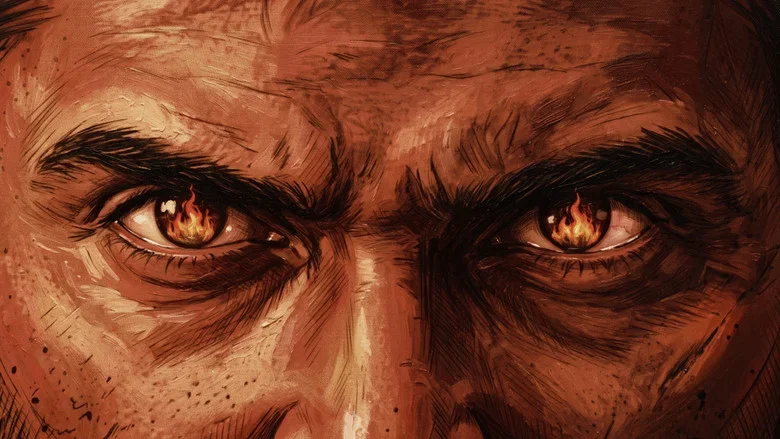
A Prophecy That Refuses To Do The Heavy Lifting
The screenplay introduces Ranabaali’s mystical birthright early, then quietly sets it aside. Sankrityan seems aware that destiny is cheaper than desperation, so the film’s real engine becomes the colonial administration’s grip on grain stores while villages starve.
Arnold Vosloo’s Sir Theodore Hector is not a snarling villain. He is a bureaucrat with a riding crop, and his menace lives in the way he signs requisition papers while children watch. The performance is cold, unhurried, and effective precisely because it refuses theatricality.
Just as he demonstrated a firmer grip on mythic staging in Hanuman Ansh, Sankrityan here strips away devotional iconography to prioritize material suffering over divine intervention.
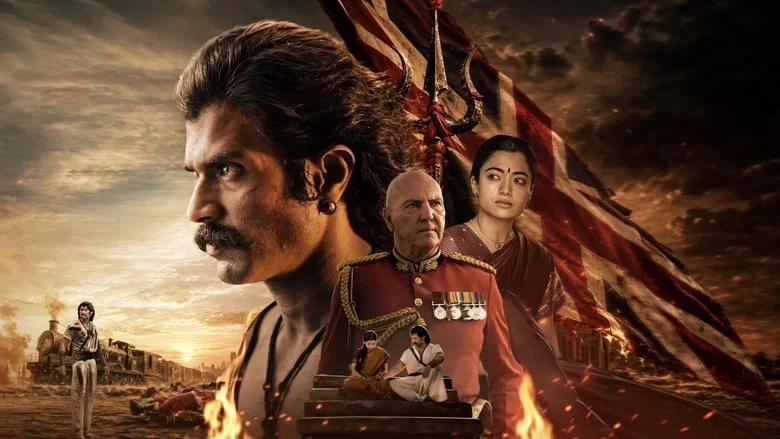
Rashmika Mandanna’s Jayamma Is Not A Decorative Wife
Jayamma participates. She carries messages, shelters rebels, and absorbs the emotional cost of a husband who keeps leaving the hut. Rashmika Mandanna plays her with a stillness that reads as endurance rather than passivity, particularly in the “Endhayya Saami” stretch where romance is established before famine dismantles it.
The chemistry between the leads carries an unusual weight because the film keeps reminding us that their domestic life is the thing being destroyed. When Ranabaali raids a colonial grain convoy, the sequence works because we have already watched Jayamma ration rice.
The restrained physical exhaustion Deverakonda brings to the later rebellion recalls the psychological weight of his turn in Least Eligible Bachelor Season 1, though here the register is grief rather than comedy.
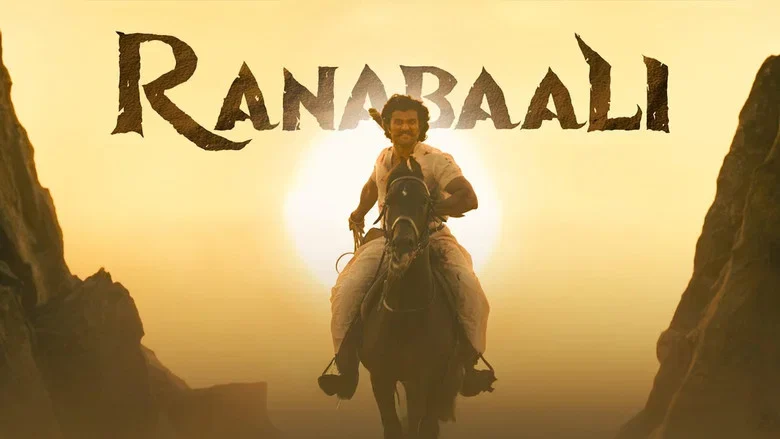
Horseback As A Language Of Resistance
The action choreography is built around mounted movement. Ranabaali fights from the saddle, which gives the guerrilla attacks a kinetic asymmetry, a lone horseman against a column of British infantry.
Sankrityan stages the grain raids with minimal slow motion and no triumphant score cues. The camera stays at chest height, close enough to see hands grabbing sacks and boots slipping in mud. It is unglamorous, and that is the point.
The screenplay resists the kinetic sensationalism that overtook Peddi, opting instead for a deliberate, suffocating dread that makes each raid feel like a calculated risk rather than a spectacle.
Where The Second Half Loses Its Breath
The middle hour expands the resistance from individual defiance into organized community action, and the film’s momentum briefly stalls under the weight of tactical exposition. Too many scenes of men pointing at maps.
Supporting performers like Luke McGibney and Zachary Coffin appear in colonial uniforms with defined physical presence but almost no dramatic function beyond representing institutional force. They are textures, not characters.
The prophecy thread, introduced with such care in the opening, never receives a satisfying payoff. It lingers as a loose thread rather than a structural pillar, which suggests either a deliberate ambiguity or an unresolved edit.
What Mythri Movie Makers Is Betting On
Mythri Movie Makers has staked a significant portion of its 2026 slate on this film’s ability to convert Deverakonda’s fanbase into a period-action audience. The gamble is real: the actor has not carried a theatrical hit of this scale since his early breakthrough years.
The Tamil-Telugu bilingual release strategy reflects the growing market for pan-South historical dramas celebrated across ibomma movies audiences, but it also exposes the film to the same franchise fatigue now visible in the remake pipeline. Original IP is expensive; sequels are safer. Mythri chose the harder road.
This patient character study signals a welcome tonal maturity across contemporary Telugu actions, proving that tension thrives without manufactured plot theatrics, though whether audiences reward that patience at the box office remains the open question.
The Verdict
Ranabaali is a film about the moment courage stops being personal. Deverakonda’s transformation from horseman to insurgent is played with a clenched restraint that suits the material, and Sankrityan’s refusal to romanticize famine gives the film a moral seriousness rare in the genre.
But the screenplay’s unwillingness to resolve its own prophecy, combined with a flabby middle act, keeps the film from fully earning its epic ambitions. It is a strong swing that lands most of its blows, just not all of them.
What lingers is not the final battle but the image of a man on horseback watching his village eat the last of the grain. That image, more than any dialogue, is the film’s true argument: freedom begins when the plate is empty and someone finally rides out to fill it.


1 thought on “Raanabali (2026): Vijay Deverakonda’s Famine-Era Revolt Builds Slowly, Strikes Hard”
Comments are closed.